
Therapist “Book Club”: Recommended Reads for New + Expectant Parents
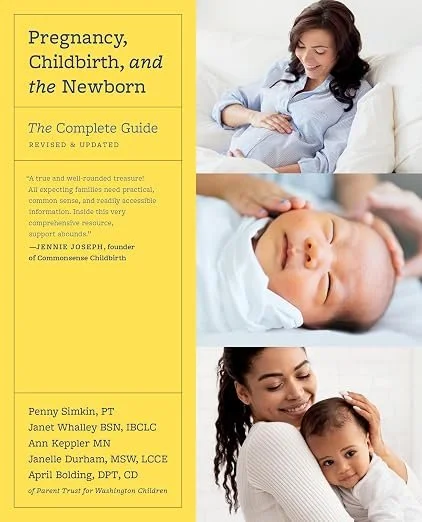
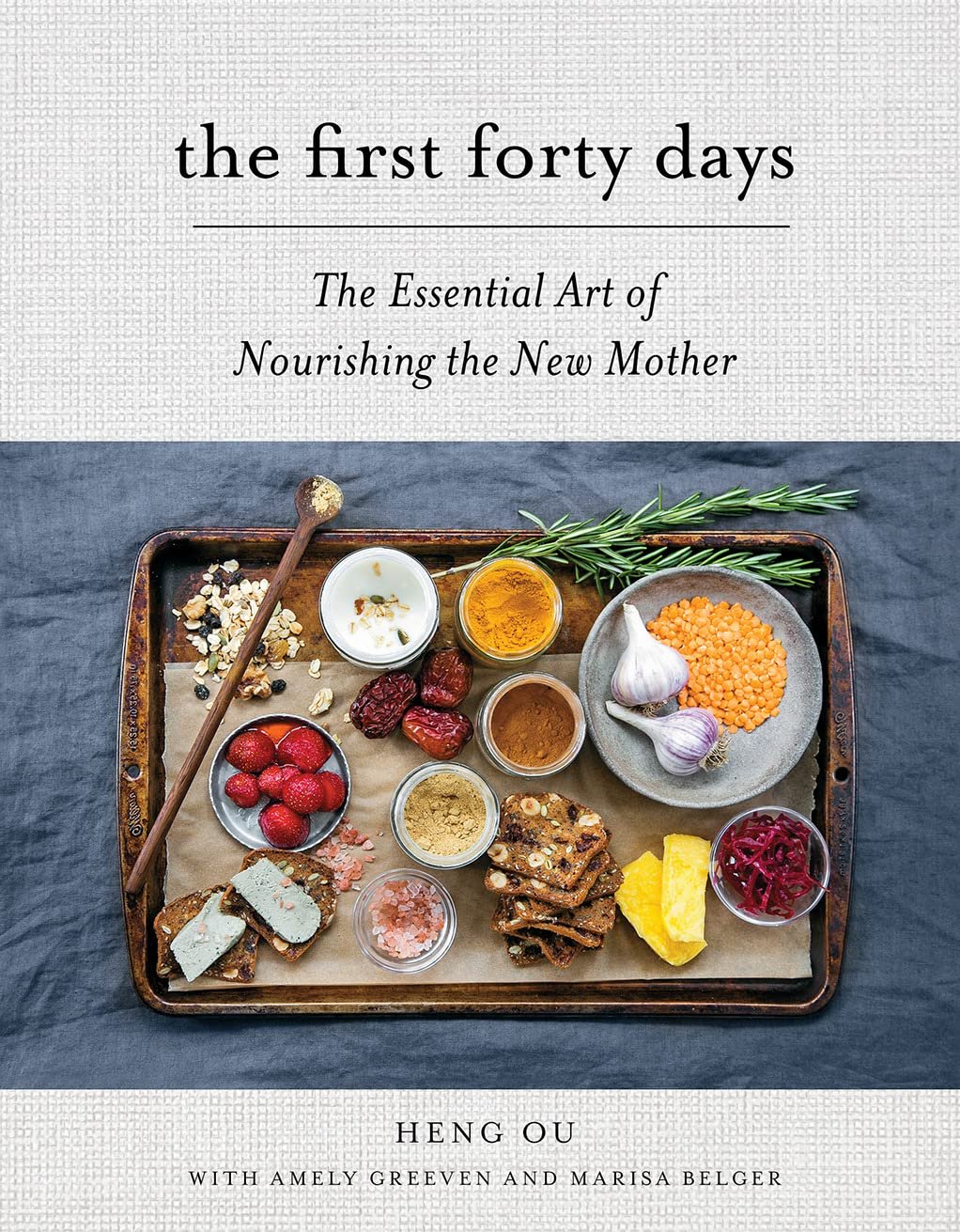
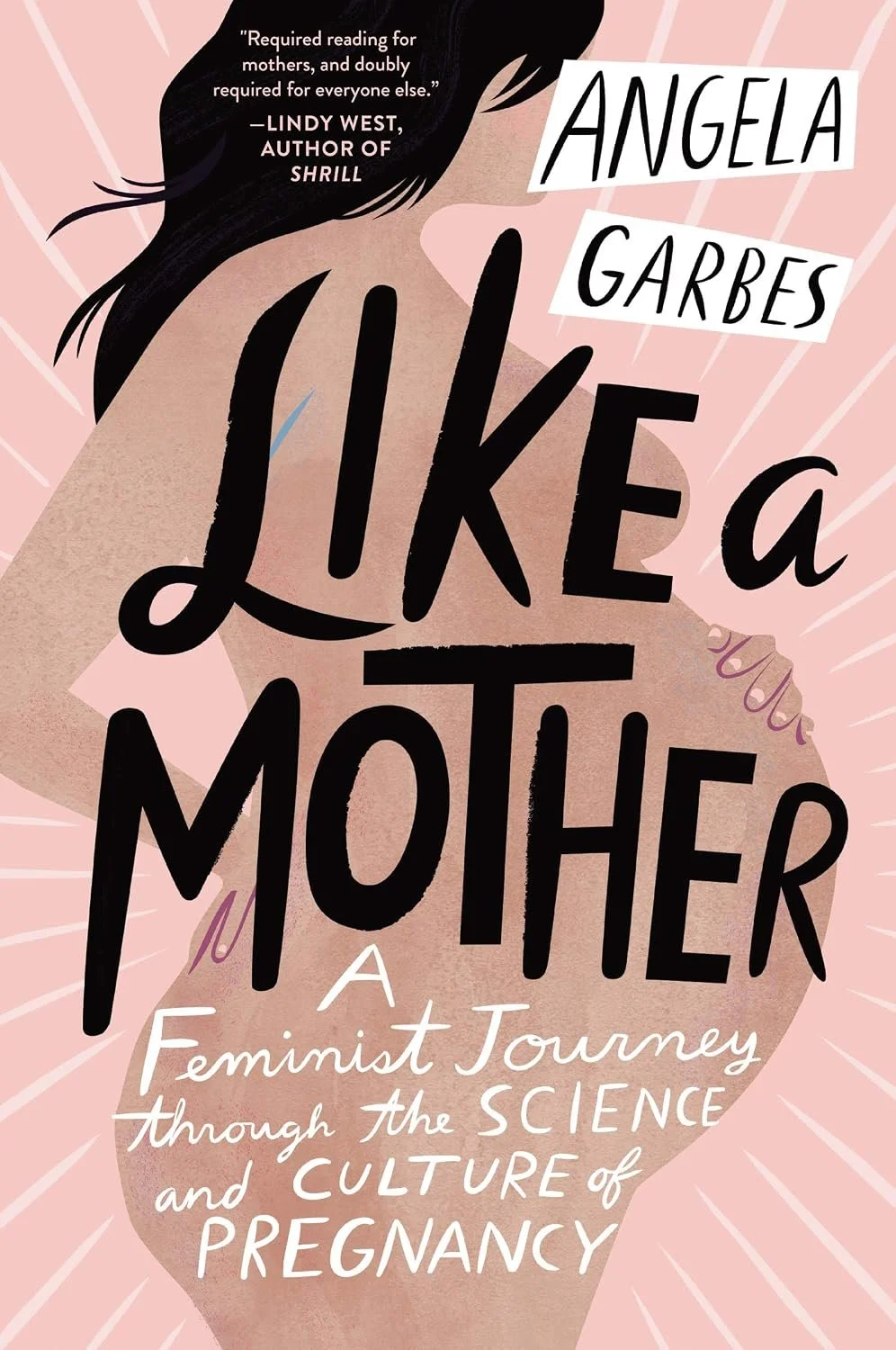
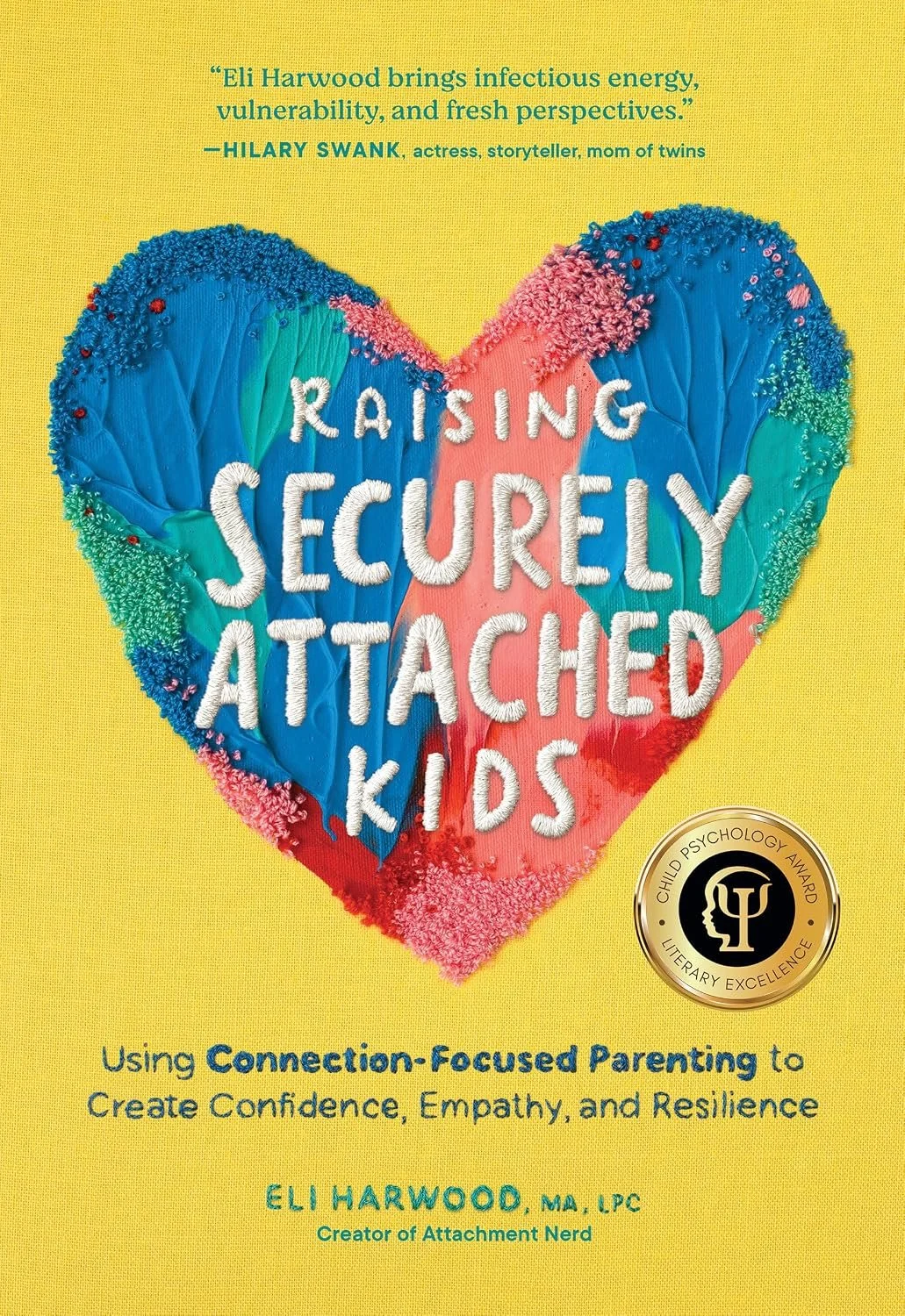
If you are pregnant, or postpartum as a new parent, or if you love someone who is pregnant or postpartum… I have a few books I would highly recommend.
When we are navigating uncharted territory in our lives, it can feel overwhelming and hard to know where to turn for guidance and support. Sometimes, finding the right book can help.
When it comes all things pregnancy, postpartum, and parenting, there is a lot of noise out there about all the “right” ways to do things. What I like about these books and these authors is that they did not feel judgmental or pushy about any one way or approach to care for yourself or your baby. They offer information and insights, as well as validation and emotional support.
Not every book on this list will resonate with you, and that’s okay! You can take what you feel serves you, and release the rest. Some are written by fellow therapists, others are memoirs, one is part memoir and part cookbook.
(Note: if you click an image below, it will enlarge and you can click through and see where I have written a short blurb for each)
Recommended Reads from a Perinatal Therapist
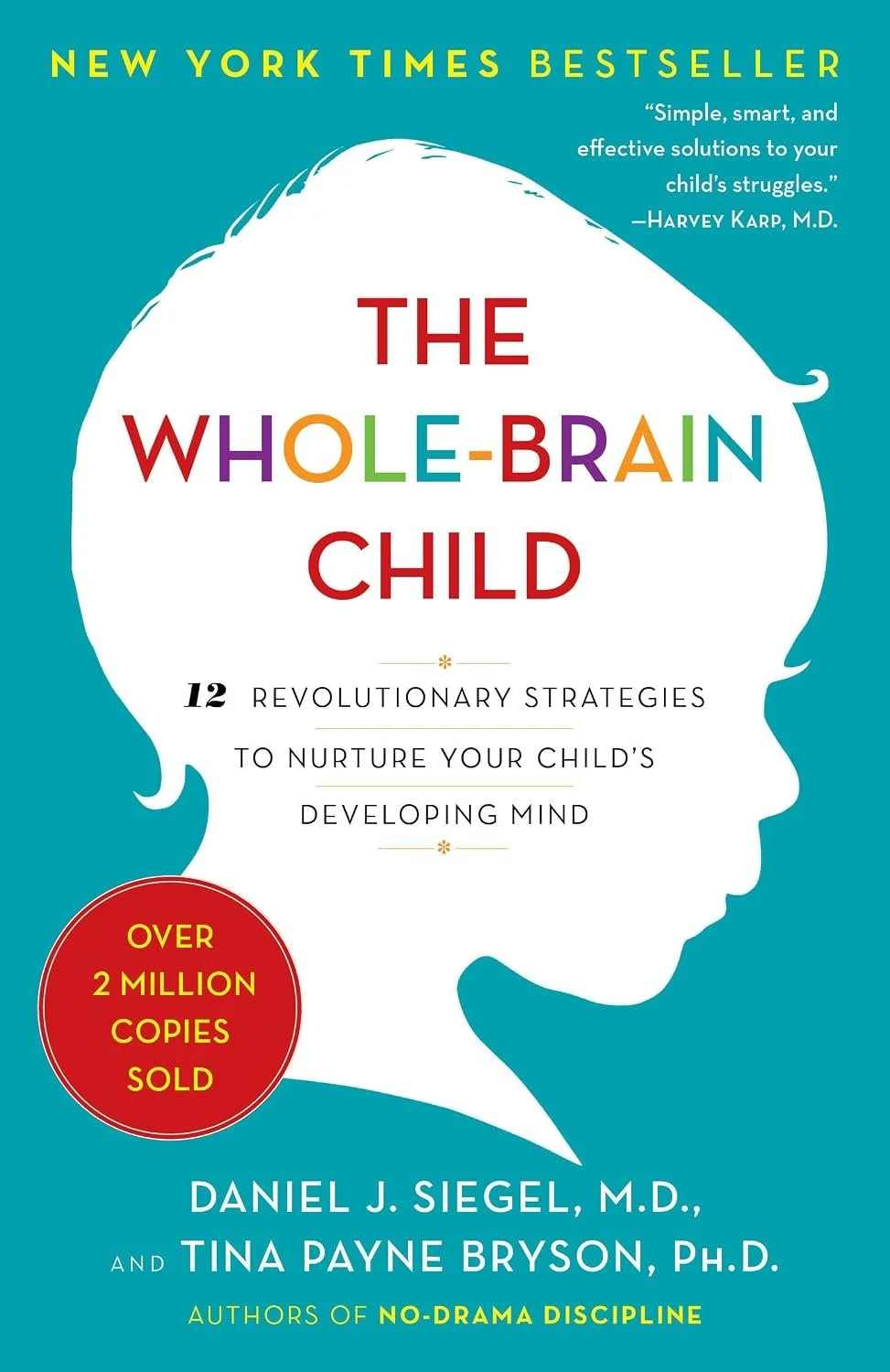
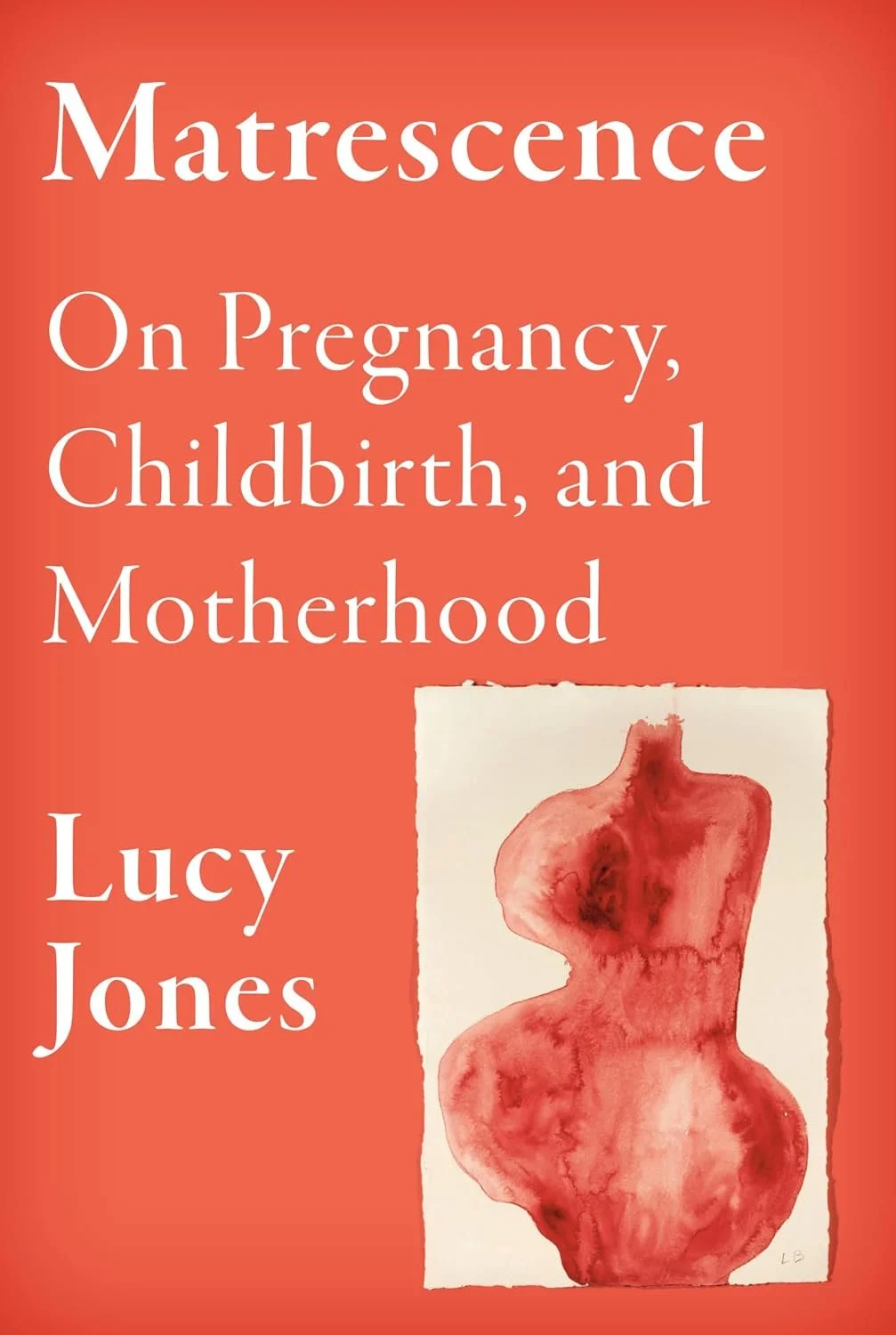
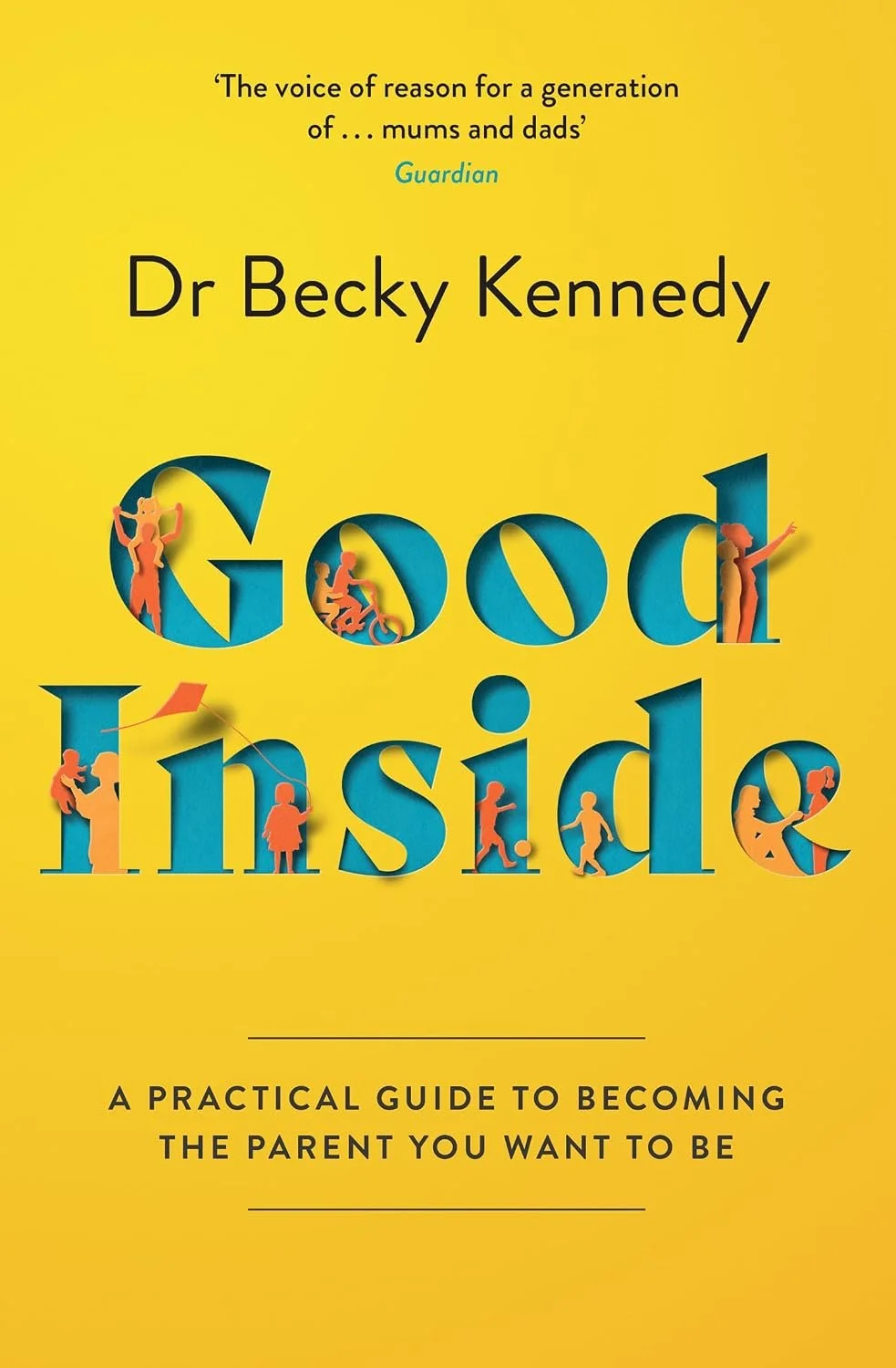
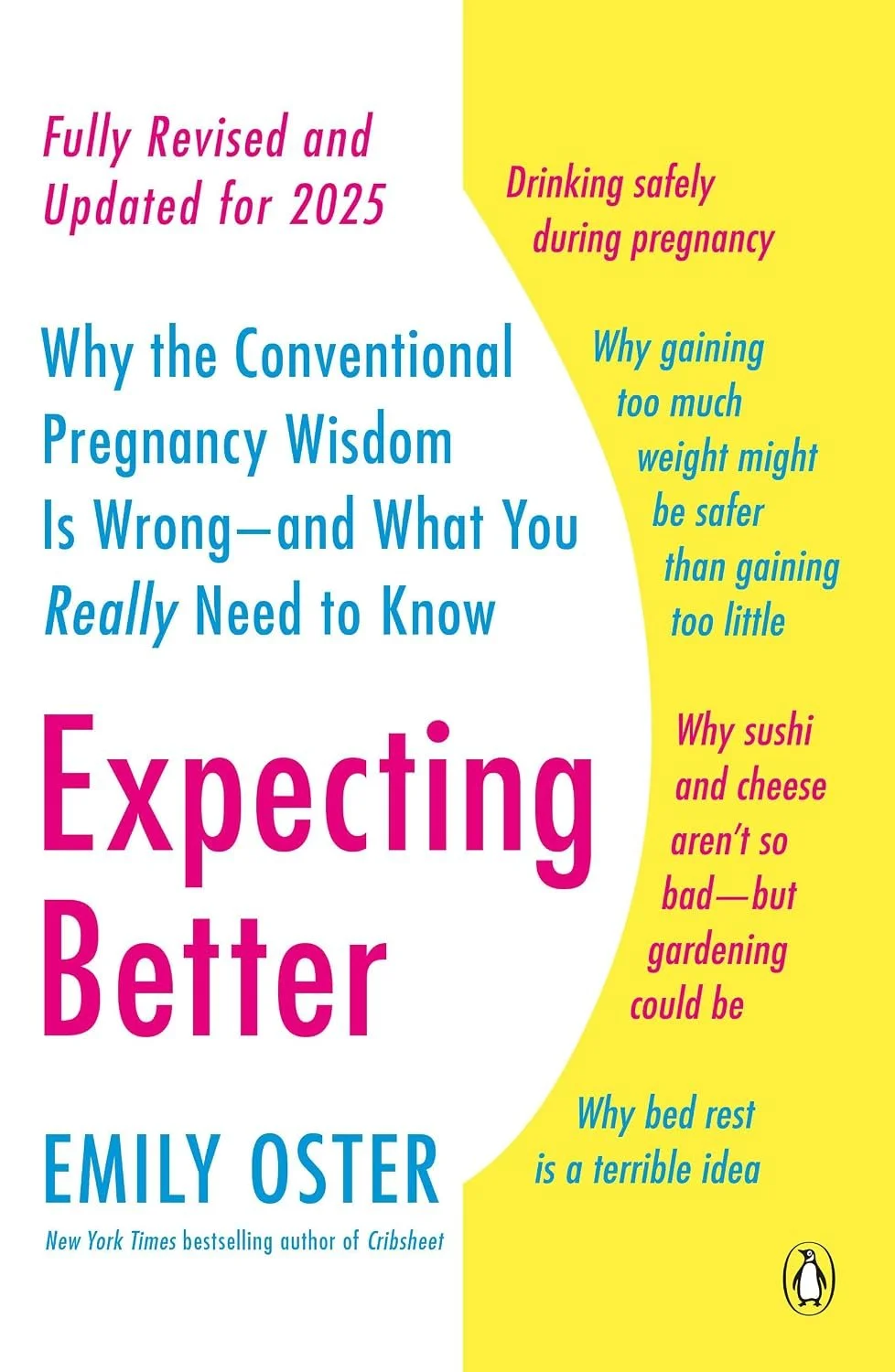
More Support is Available
If you are feeling overwhelmed and uncertain as you are navigating this life chapter, whether you are trying to conceive, pregnant, postpartum, or a bit farther along - you do not need to be in crisis to be worthy of support. Therapy can help by offering a space where you can bring it all without judgment, and be met with compassion and care.
If you live in Washington State, I am a licensed mental health counselor who specializes in perinatal mental health (read more about me here). I see adults 18+ in the greater Seattle area and across Washington state. Please reach out if you would like to set up an initial consultation call and see if it feels like a good fit.